
Blog · September 17, 2026
Why Some Dogs Dread the Groomer, and How Mobile Grooming Helps Anxious and Senior Dogs
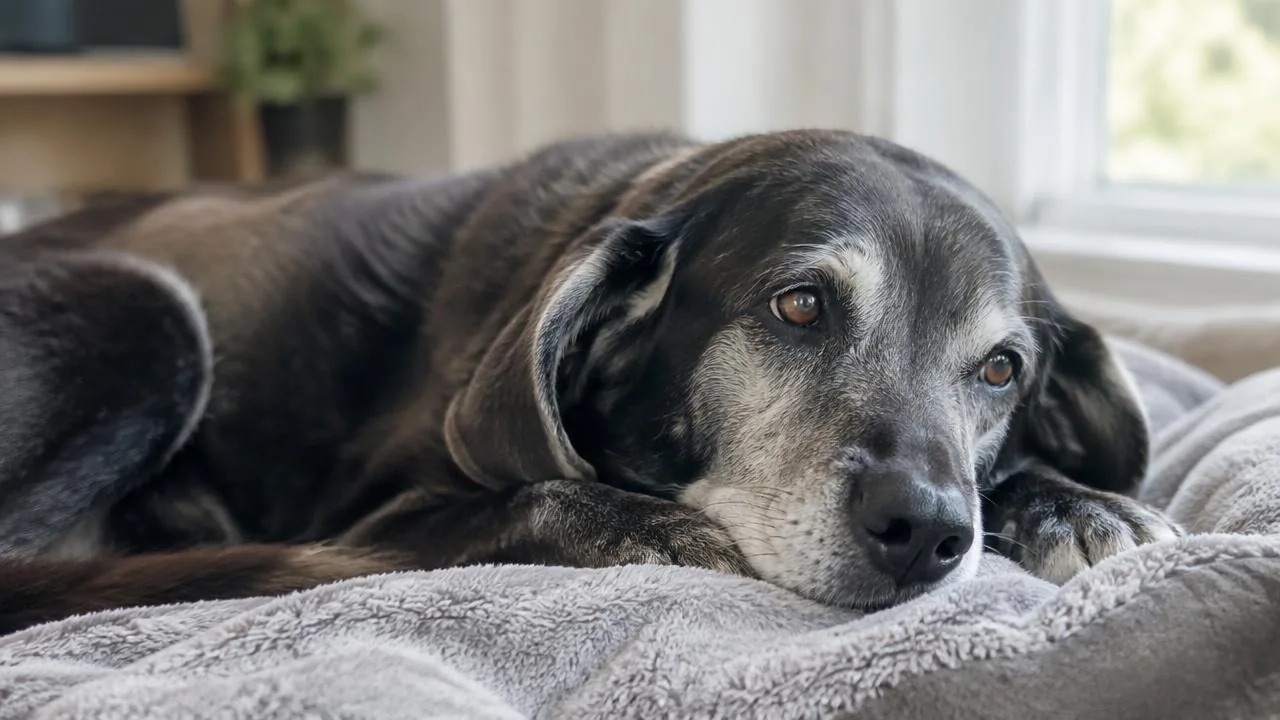
Some dogs hide under the bed the moment they hear the car keys. Others start shaking in the parking lot. If grooming day feels hard for your dog, you are not alone, and it is not your fault.
Understanding what bothers your dog is the first step to making it easier.
What makes grooming stressful
For many dogs, the haircut is not the hardest part. It is everything around it.
- The car ride. Some dogs get carsick. Others link the car with the vet.
- Noise. A busy shop can have barking, dryers, and clippers going all at once.
- Other dogs. Being close to many unfamiliar dogs can be overwhelming.
- Waiting in a kennel. Hours in a crate before and after the groom can feel long.
- Being away from you. Many anxious dogs settle better when home is close.
- New smells and slippery floors. Older dogs with sore joints can feel unsteady.
Why older dogs need extra care
Senior dogs may have stiff joints, weaker legs, poorer eyesight or hearing, and less patience for standing still. A long day out can leave them tired and sore.
Many older dogs do best with shorter sessions, a calm pace, breaks to rest, and gentle handling of the legs and feet. If your senior dog has a health condition, check with your veterinarian before grooming.
How a one-on-one groom at home changes things
With mobile grooming, the salon comes to your home. That removes many of the triggers before the groom even starts.
- No car ride. Your dog walks out the front door to the van.
- No crowd. It is one dog and one groomer.
- No kennel wait. Your dog goes straight in and comes straight back to you.
- Familiar surroundings. Home is a few steps away.
- A quieter space where the groomer can go at your dog's pace.
How to prepare an anxious or older dog
A little planning helps grooming day go smoothly.
- Pick a calm time of day. Avoid days with guests, workers, or big changes.
- Take a short walk first so your dog can stretch and go to the bathroom.
- Skip a big meal right before the appointment.
- Practice handling at home. Gently touch the paws, ears, and tail for a few seconds, then reward.
- Keep your own energy relaxed. Dogs pick up on our nerves.
- Have your dog's favorite treats ready, if the groomer says they are okay to use.
What to tell your groomer
The more your groomer knows, the better they can plan. Before the visit, share:
- Your dog's age and any health or mobility issues
- Spots your dog does not like touched, like feet or ears
- Past grooming experiences, good or bad
- Any sounds that bother your dog, like dryers or clippers
- Whether your dog has ever snapped or tried to bite when scared
- The look you want, and what matters most to you
There is no wrong answer here. Honest information helps everyone stay safe and calm.
Signs your dog is getting more comfortable
Progress can be slow. Look for small wins: a loose, wiggly body walking to the van, taking treats, less panting, or a calm nap afterward. Every good visit makes the next one easier.
When to call a groomer
If you have been putting off grooming because your dog finds it stressful, the coat may already be getting long or tangled. It is better to book sooner, so the visit can be shorter and gentler.
Book a calm Spaw Day
Our grooming van parks in your driveway, and our groomers work with one dog at a time. Call or text (310) 993-5993, or book online.
Related service
Full Groom and Haircut